


What is Lining
Author: adminSource: 本站Viewed: 129
2026-07-14 17:39:06
What is Lining
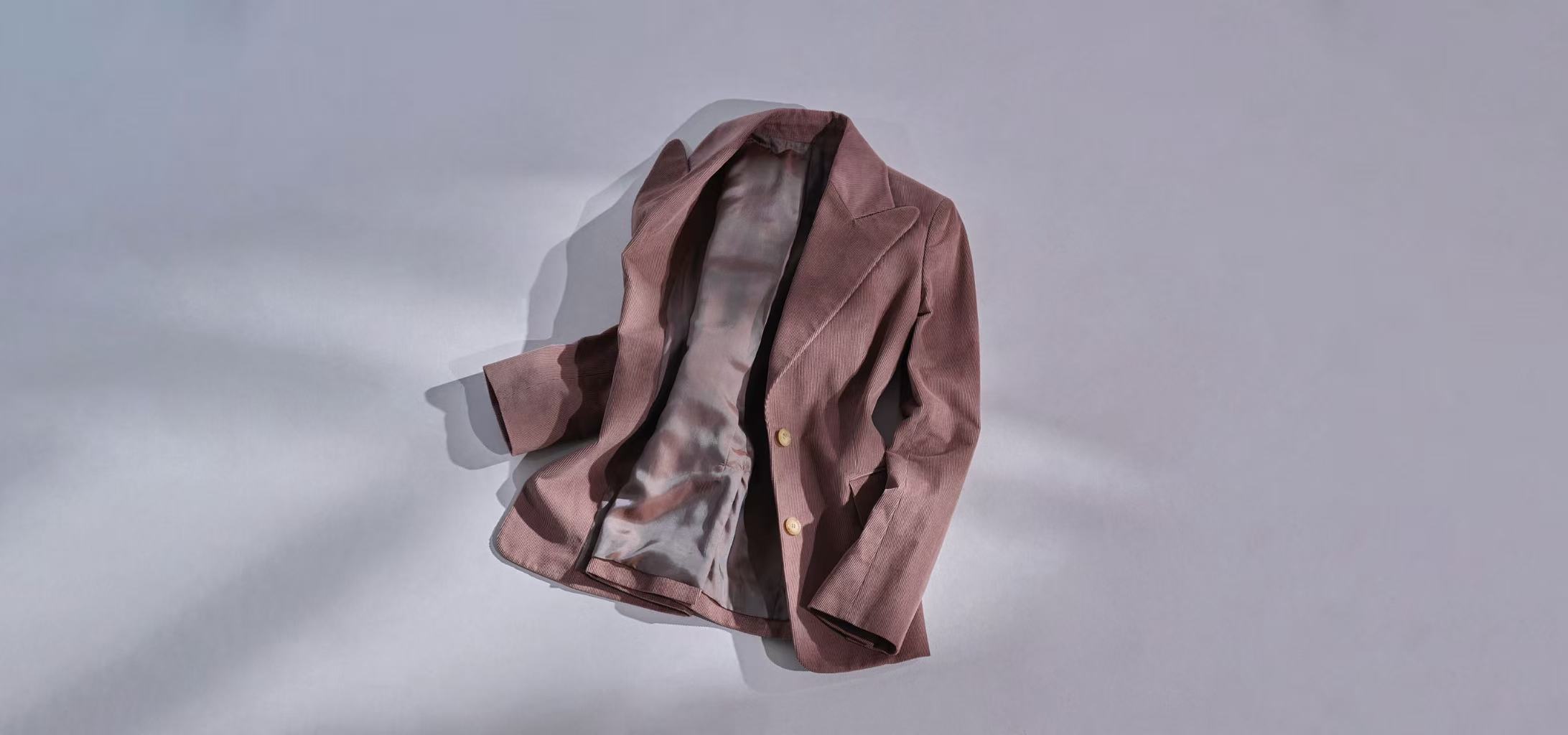
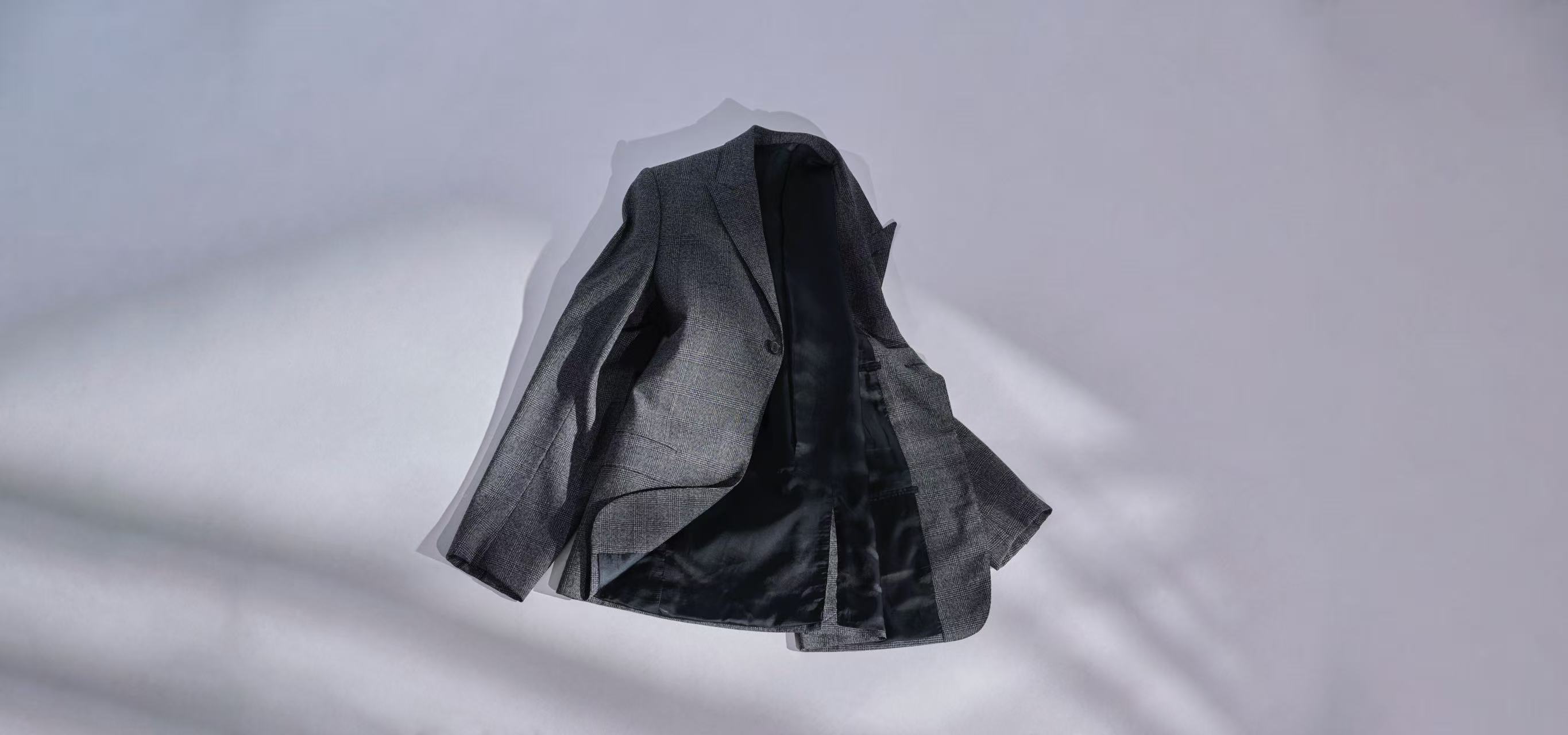
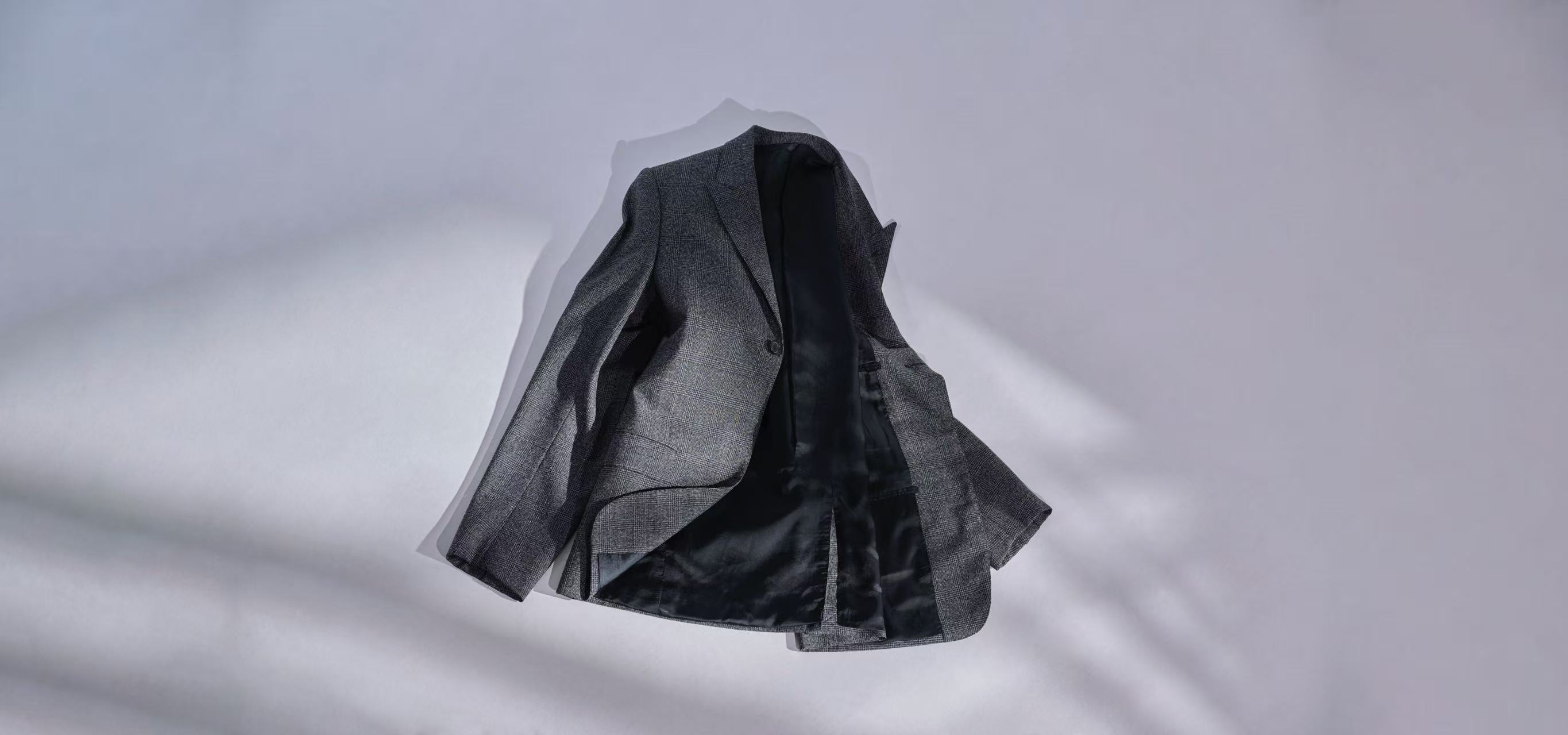
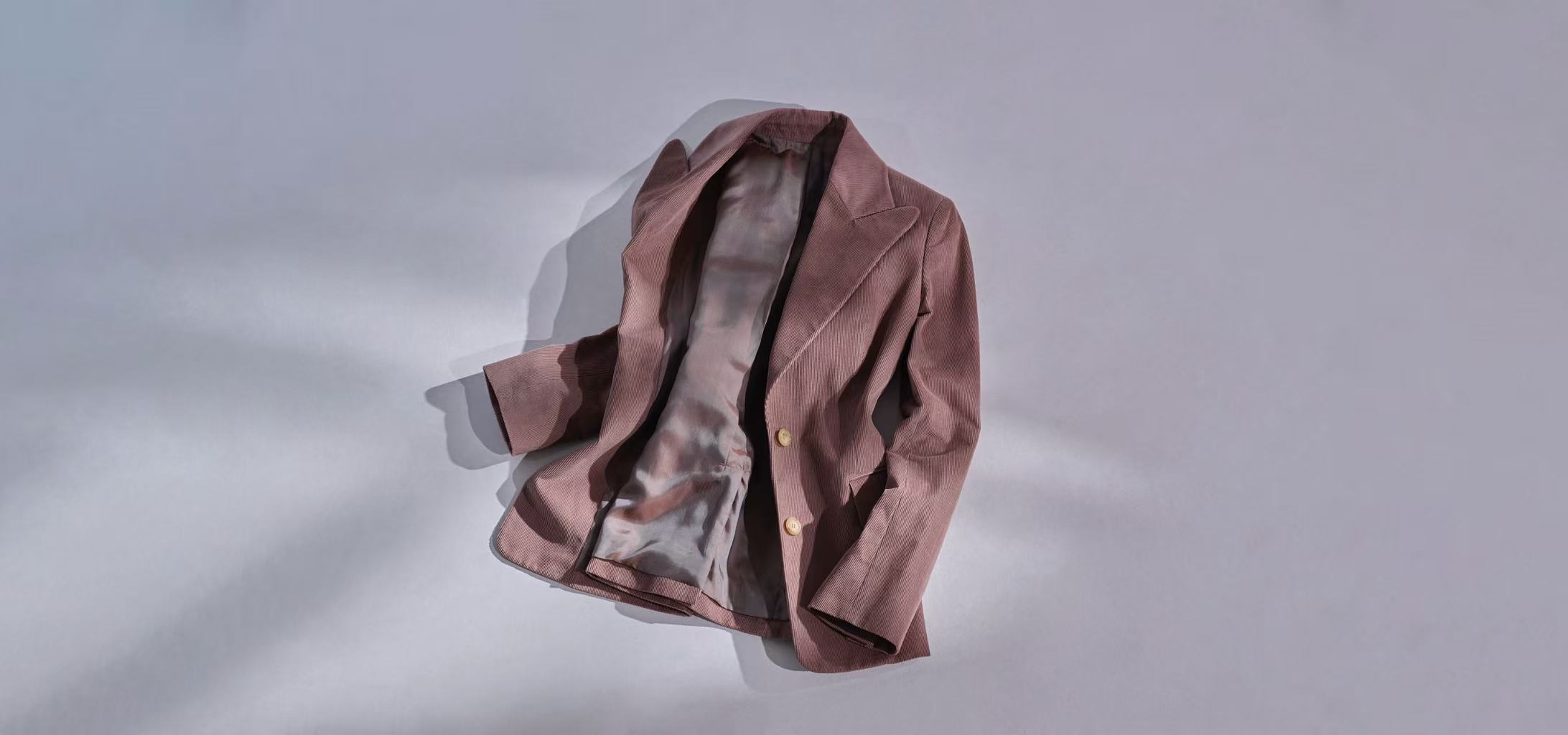
Lining, also known as inner lining, interlining, or backing, is a layer of fabric sewn to the interior of a garment. It is typically concealed beneath the outer fabric and not directly visible from the outside.
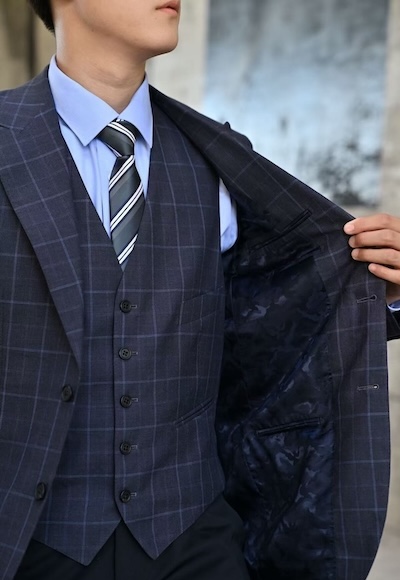
The Functions of Lining
Lining serves multiple practical purposes in garment construction. It reduces friction between the outer fabric and the skin, facilitating smoother dressing and undressing. Lining also helps maintain the garment's structured silhouette, preventing distortion from stretching or regular wear. In colder seasons, lining provides additional insulation; in warmer months, breathable lining aids heat dissipation and moisture wicking, reducing discomfort from perspiration. Furthermore, despite its hidden position, lining contributes to visual refinement—it conceals seam allowances, padding, and structural stitching, ensuring the interior remains neat and aesthetically pleasing. The harmonious pairing of lining and outer fabric thus elevates the overall quality of the garment.
The Distinction Between Lining and Outer Fabric
The outer fabric constitutes the outermost layer of a garment, directly exposed to the external environment. It determines the garment's appearance, style, and primary tactile impression. Lining, positioned internally, directly contacts the skin or undergarments, prioritizing functional performance. The two may share identical composition or differ—a wool overcoat may employ cupro or viscose lining, while a silk dress may utilize matching silk lining or more durable cupro alternatives.
Outer fabric typically undergoes more elaborate surface treatments such as dyeing, printing, jacquard weaving, napping, or coating to achieve diverse visual and tactile effects. Lining emphasizes functional properties: anti-static performance, soft drape, moisture absorption, and quick-drying capability to optimize wearing comfort. In construction, outer fabric seam allowances are exposed internally and concealed by lining; lining edges are finished through folded seams or overlocking, ensuring the garment interior lies flat and smooth, preventing raw edges or loose threads from contacting the skin.
Replacement and Maintenance
The outer fabric forms the fundamental "body" of a garment and cannot be independently replaced. Lining, however, may be repaired or replaced to a certain extent. Should a valuable coat retain intact outer fabric but sustain lining damage, a professional tailor can reconstruct the lining, extending the garment's service life. For daily care, outer fabric may require dry cleaning, hand washing, or specialized treatment according to its composition. Lining, though not directly exposed, generally follows the same care regimen as the outer fabric; nevertheless, its material properties influence the garment's overall breathability and moisture management, indirectly affecting the preservation of the outer fabric.
Garment Types Typically Employing Lining
Not all garments require lining. Common categories utilizing lining include suits, dress trousers, overcoats, trench coats, dresses, skirts, jackets, and uniforms. These garments may necessitate smooth inner layers to facilitate dressing with heavier or stiffer outer fabrics, rely on lining to maintain structural form, or employ lining for aesthetic concealment of internal construction. Casual garments such as T-shirts, knitwear, jeans, and activewear typically operate without lining.
Common Lining Placement
Lining generally covers primary garment areas: the body and sleeves of suits, the upper body and skirt interior of dresses, or the full interior of overcoats. Partial lining applications also exist—half-lined suits, or sleeve-only linings to ease arm movement during dressing and undressing.
In essence, lining functions as the "hidden backbone" of a garment—invisible in daily wear, yet directly impacting comfort, durability, and overall quality. Incorporating lining assessment into purchasing decisions constitutes a critical component of garment quality evaluation. Judging quality solely by outer fabric risks overlooking substantial wearing experience; a more balanced approach requires simultaneous attention to outer fabric composition, lining composition, construction details, and care requirements.